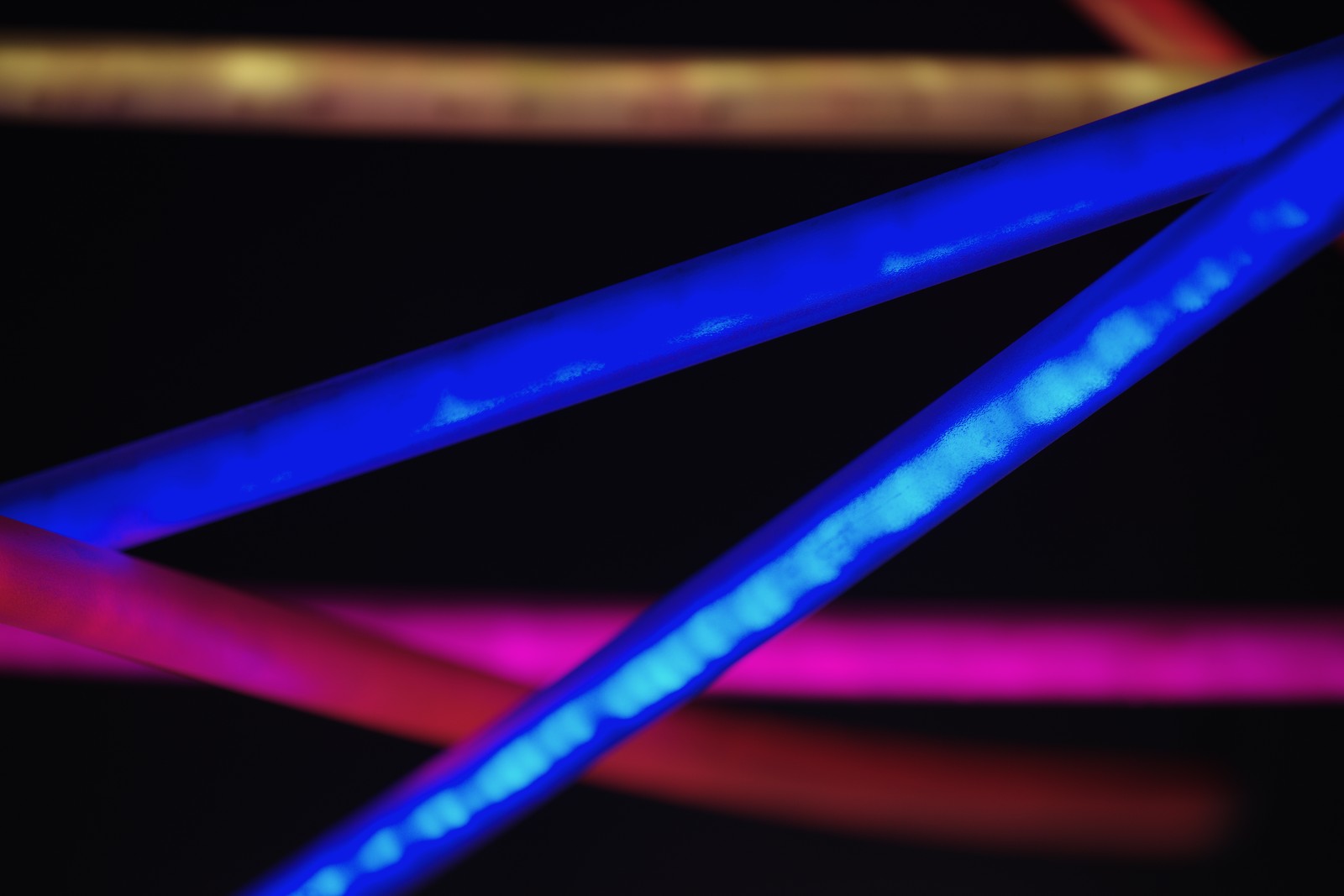
Polaroid Polachrome — Picture Style for Canon
Slide film emulation — an approximation, not affiliated with the brand
A look inspired by Polaroid Polachrome, adapted as a Picture Style (PF3) with a compatible structure for Canon EOS cameras: it loads as its own style and works in-camera and in Digital Photo Professional. It is not a Polaroid product nor is it affiliated with the brand.
The recipe
Six-axis grading (H / S / L)
| Axis | Hue | Sat | Lum |
|---|---|---|---|
| Red | 0 | -18 | +6 |
| Yellow | +3 | -18 | +6 |
| Green | -3 | -18 | +3 |
| Cyan | -2 | -16 | +6 |
| Blue | -3 | -12 | 0 |
| Magenta | +3 | -8 | 0 |
Tone curve (11 points)
0,4 · 24,20 · 48,44 · 72,75 · 96,107 · 128,145 · 159,174 · 191,197 · 215,212 · 239,228 · 255,243
Compatible with Canon EOS cameras with Picture Styles (loaded via EOS Utility, Picture Style Editor or SD card). The file includes the six-axis grading, the tone curve and the basic parameters; the preview on this page was generated with the same color transformation written into the PF3.
About the Polaroid Polachrome look
Polachrome, introduced by Polaroid in 1983, was an idea as simple as it was crazy: a 35 mm slide film that developed itself in a couple of minutes inside a portable mini-lab. Under the emulsion, a grid of thousands of ultra-fine red, green and blue filters did the color work. It survived only a few years on the market, but its unmistakable texture turned it into a cult object among collectors and hunters of the unusual.
That grid leaves a mark: images carry a subtle halftone-like texture, almost like a luxury newspaper print, and a soft definition that distances the look from any classic negative. Color is discreet and slightly cool, contrast medium, and the overall sensation is of an image seen through a fine weave. Designed lo-fi: imperfect on purpose, recognizable at first glance.
It shines on urban work, conceptual portraiture, graphic projects and any job where texture is the protagonist. With geometry, lines and backlight it produces almost-printed results, and across coherent series it delivers that finish unity that is so hard to achieve. Not for epic landscape or millimetric detail: it is for telling stories in a different voice.
This Picture Style for Canon translates that texture and palette into a grade of contained saturation, slight coolness and measured contrast, designed so your photos keep digital fineness with the air of an instant print. It is one of the looks that stand out most in social media thumbnails: small, but unmistakable.
Think in patterns and textures rather than scenes: fences, rooftops, glass reflections, blind shadows. The look's weave makes sense when there is structure to accompany it, and on close shots it reaches a beautiful graphic air. For social media, it is one of the styles that survive compression best: the final texture hides rescaling noise with elegance.
Frequently asked questions
Is this an official Polaroid product?
No. It is an independent emulation created by FilmTone, inspired by the color character of Polaroid Polachrome. It is not affiliated with or endorsed by Polaroid; film names are mentioned only to describe the look being emulated.
Which Canon cameras support this Picture Style?
Any Canon EOS with Picture Styles and User Def. slots: DSLRs from the 350D onward, EOS R and M mirrorless bodies, and recent PowerShot models. The PF3 file registers into a free slot and is selected like any factory style.
How do I install it on the camera?
Three routes: with EOS Utility over USB or Wi-Fi (the most universal), opening the PF3 in Picture Style Editor and registering it, or from the SD card on recent models that allow it. We have a step-by-step guide in the guides section of the site.
Does it affect my RAW files?
The style applies to the JPEG, the on-screen preview and the RAW pre-render, but the RAW keeps all the sensor information: you can change or remove the style later in Digital Photo Professional. Shooting RAW+JPEG gives you both the instant look and the untouched digital negative.
Does it cost anything to download?
No. Downloading the PF3 is free and you can customize the name your camera will show (1–24 ASCII characters). The project runs on voluntary Ko-fi donations.