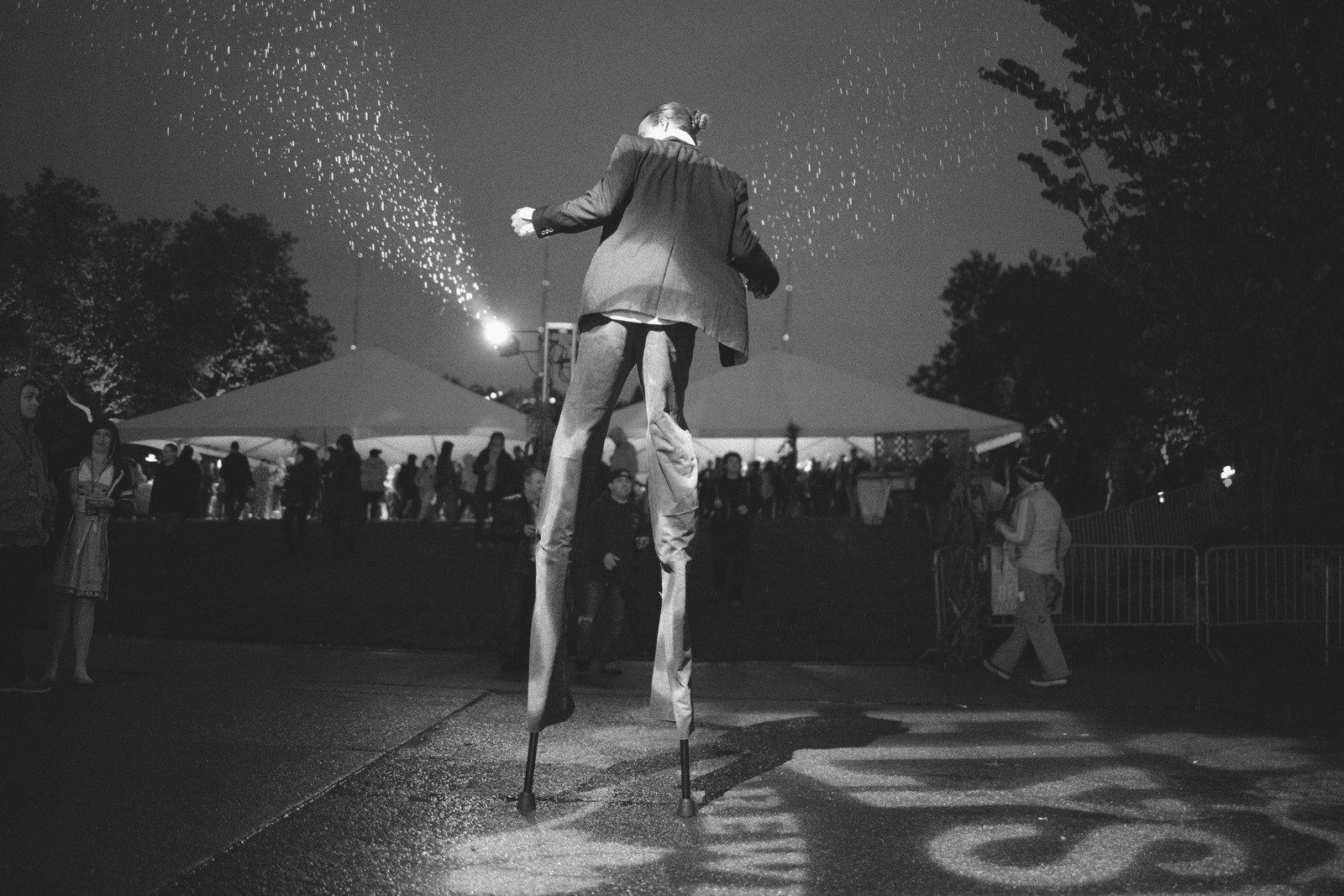
Kodak T-Max 3200 — Picture Style for Canon
Modern negative emulation — an approximation, not affiliated with the brand
A look inspired by Kodak T-Max 3200, adapted as a Picture Style (PF3) with a compatible structure for Canon EOS cameras: it loads as its own style and works in-camera and in Digital Photo Professional. It is not a Kodak product nor is it affiliated with the brand.
The recipe
Six-axis grading (H / S / L)
| Axis | Hue | Sat | Lum |
|---|---|---|---|
| Red | 0 | -100 | 0 |
| Yellow | 0 | -100 | 0 |
| Green | 0 | -100 | 0 |
| Cyan | 0 | -100 | 0 |
| Blue | 0 | -100 | 0 |
| Magenta | 0 | -100 | 0 |
Tone curve (11 points)
0,29 · 24,37 · 48,54 · 72,78 · 96,104 · 128,143 · 159,181 · 191,211 · 215,229 · 239,241 · 255,248
Compatible with Canon EOS cameras with Picture Styles (loaded via EOS Utility, Picture Style Editor or SD card). The file includes the six-axis grading, the tone curve and the basic parameters; the preview on this page was generated with the same color transformation written into the PF3.
About the Kodak T-Max 3200 look
Introduced in the late eighties, Kodak's T-Max 3200 brought tabular-grain (T-grain) technology to extreme sensitivity: a nominally 800-speed film sold and shot at 3200, opening the night up to consumer black and white. It survives today as T-Max P3200, and its aesthetic — grainy, nocturnal, urgent — remains the visual signature of an entire documentary current.
Grain is the absolute protagonist: big, bright, structural — it turns every photo into texture. Around it, a brave contrast with dense blacks and a drawn sharpness that gives images that nightly-chronicle air: concerts, alleys, stations, photographic benders in the city. It seeks no fineness whatsoever; it seeks to be there when almost no light is left, and to win on attitude.
Its scenarios are obvious and glorious: urban night, concerts, bars, backlit portraits on scraps of light, fog and rain. It is also an aesthetic statement in full daylight: shooting T-Max 3200 in the afternoon means embracing grain as style, not as limitation. With window light indoors you get portraits of brutal intimacy.
This Picture Style for Canon commits to that unapologetic look: a high-contrast curve and a monochrome treatment that steers noise and texture toward photographic grain. Shoot JPEG to take the whole look, or RAW if you want to control texture in post. With fast lenses (f/1.8 or faster) is where it truly shines.
Shoot in bursts and group photos by lighting conditions: the grain orders the series and gives coherence to mixes of different scenes. At night, lean on signs, street lamps and shop windows as sources of hard light. And if you take it into the day, go all the way: an entire project in T-Max 3200 under midday sun is a style statement few dare to sign. Embrace it: the texture is the message. Shot wide open, the look turns night into grain theater.
Frequently asked questions
Is this an official Kodak product?
No. It is an independent emulation created by FilmTone, inspired by the color character of Kodak T-Max 3200. It is not affiliated with or endorsed by Kodak; film names are mentioned only to describe the look being emulated.
Which Canon cameras support this Picture Style?
Any Canon EOS with Picture Styles and User Def. slots: DSLRs from the 350D onward, EOS R and M mirrorless bodies, and recent PowerShot models. The PF3 file registers into a free slot and is selected like any factory style.
How do I install it on the camera?
Three routes: with EOS Utility over USB or Wi-Fi (the most universal), opening the PF3 in Picture Style Editor and registering it, or from the SD card on recent models that allow it. We have a step-by-step guide in the guides section of the site.
Does it affect my RAW files?
The style applies to the JPEG, the on-screen preview and the RAW pre-render, but the RAW keeps all the sensor information: you can change or remove the style later in Digital Photo Professional. Shooting RAW+JPEG gives you both the instant look and the untouched digital negative.
Does it cost anything to download?
No. Downloading the PF3 is free and you can customize the name your camera will show (1–24 ASCII characters). The project runs on voluntary Ko-fi donations.